 (opens in a new tab)
Conservation & local knowledge
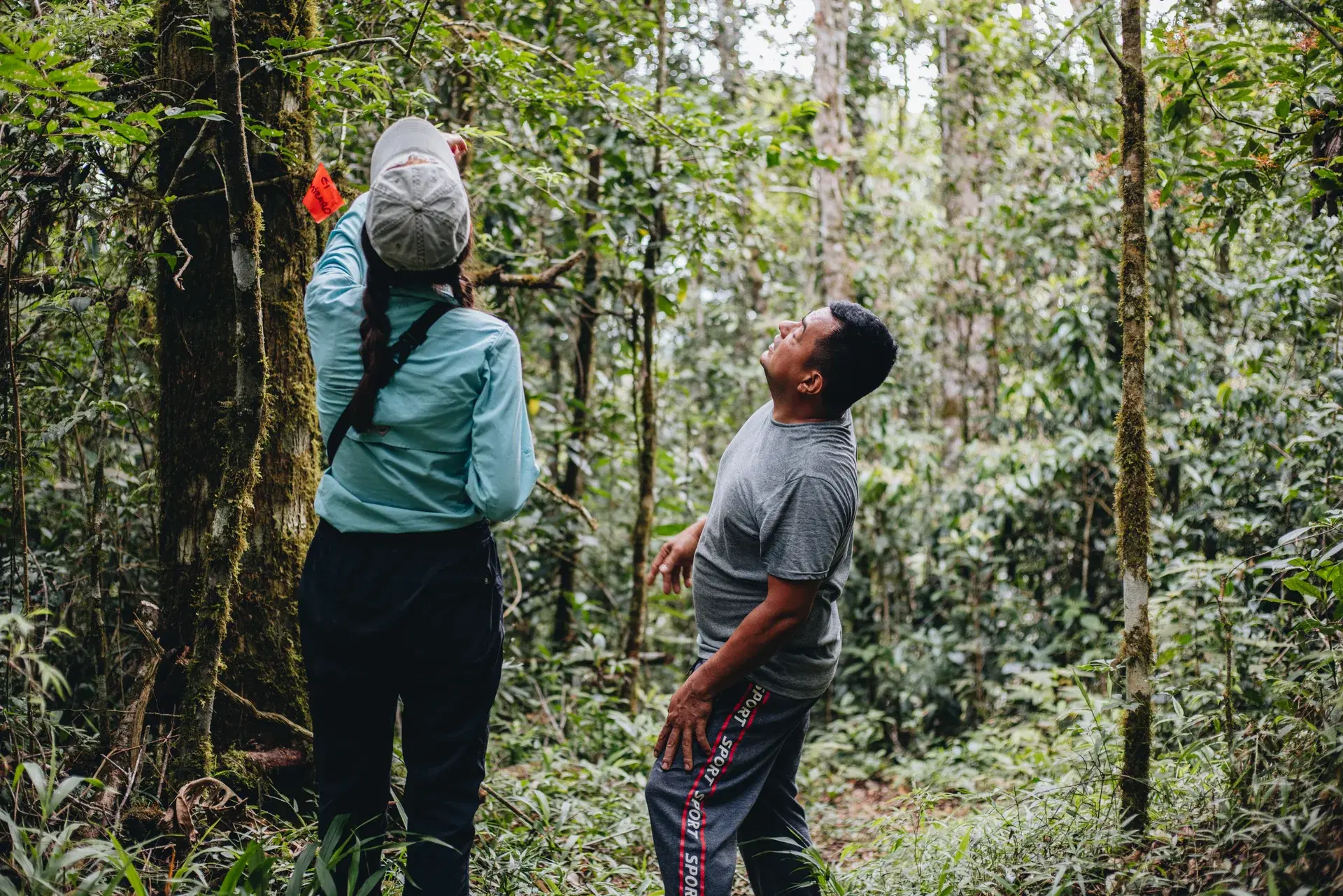
ProCAT Costa Rica brings scientific and local ecological knowledge, community connections, and field access to guide monitoring locations and support regional conservation priorities.
 OWL (opens in a new tab)
A solar-powered acoustic network built to understand when and where three-wattled bellbirds return to Costa Rica’s Talamanca Mountains.
Explore the projectA bellbird can be heard even when it cannot be seen. But researchers cannot always be there to listen. How can we understand when and where the birds return between field visits?
The three-wattled bellbird (Procnias tricarunculatus) is a threatened species that moves between elevations during the year. A single visit offers only a glimpse in time: it cannot reveal when birds arrive, which areas they return to, or how those patterns change across seasons.
In the Talamanca Mountains, steep terrain and limited access make repeated visits difficult. Power and connectivity cannot be taken for granted. Project Bellbird brings longer-term listening into that gap, working toward data that continues between visits.
See how the monitoring system works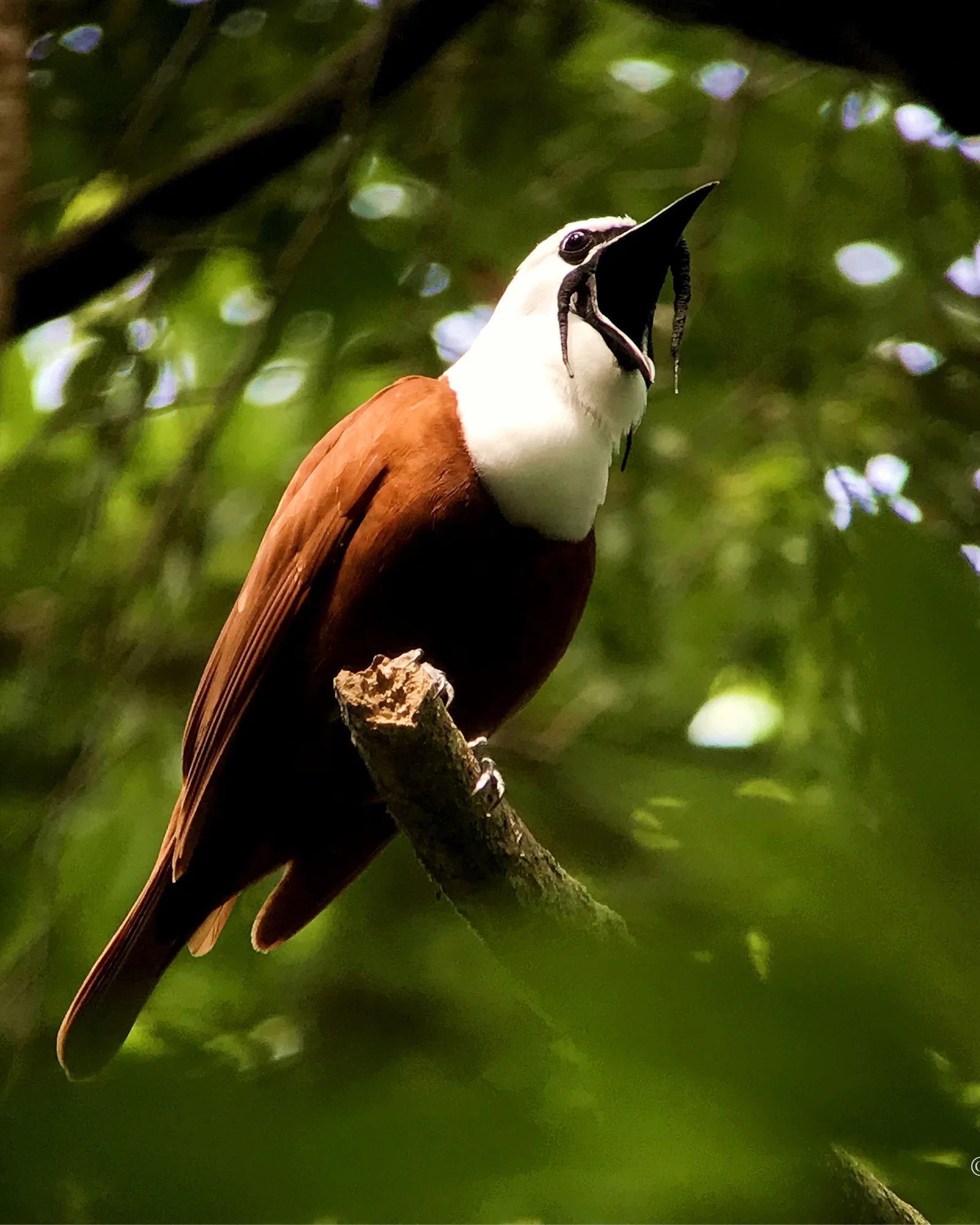
The deployment film follows the team into the Talamanca Mountains in July 2026. It shows how the conservation questions, local knowledge, and engineering come together—from preparing equipment to installing and testing the listening network in the forest.
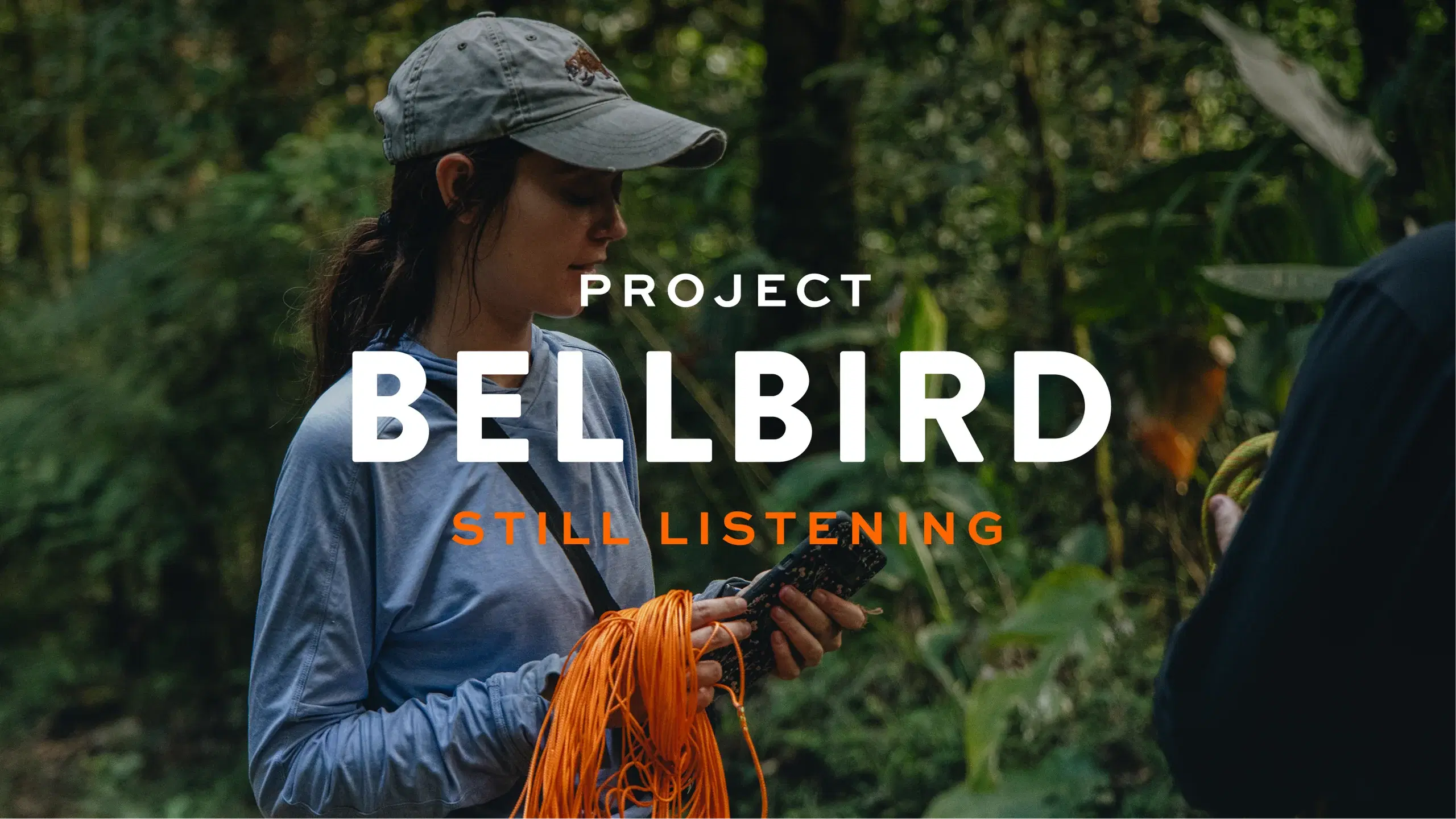
A seven-minute journey into the field
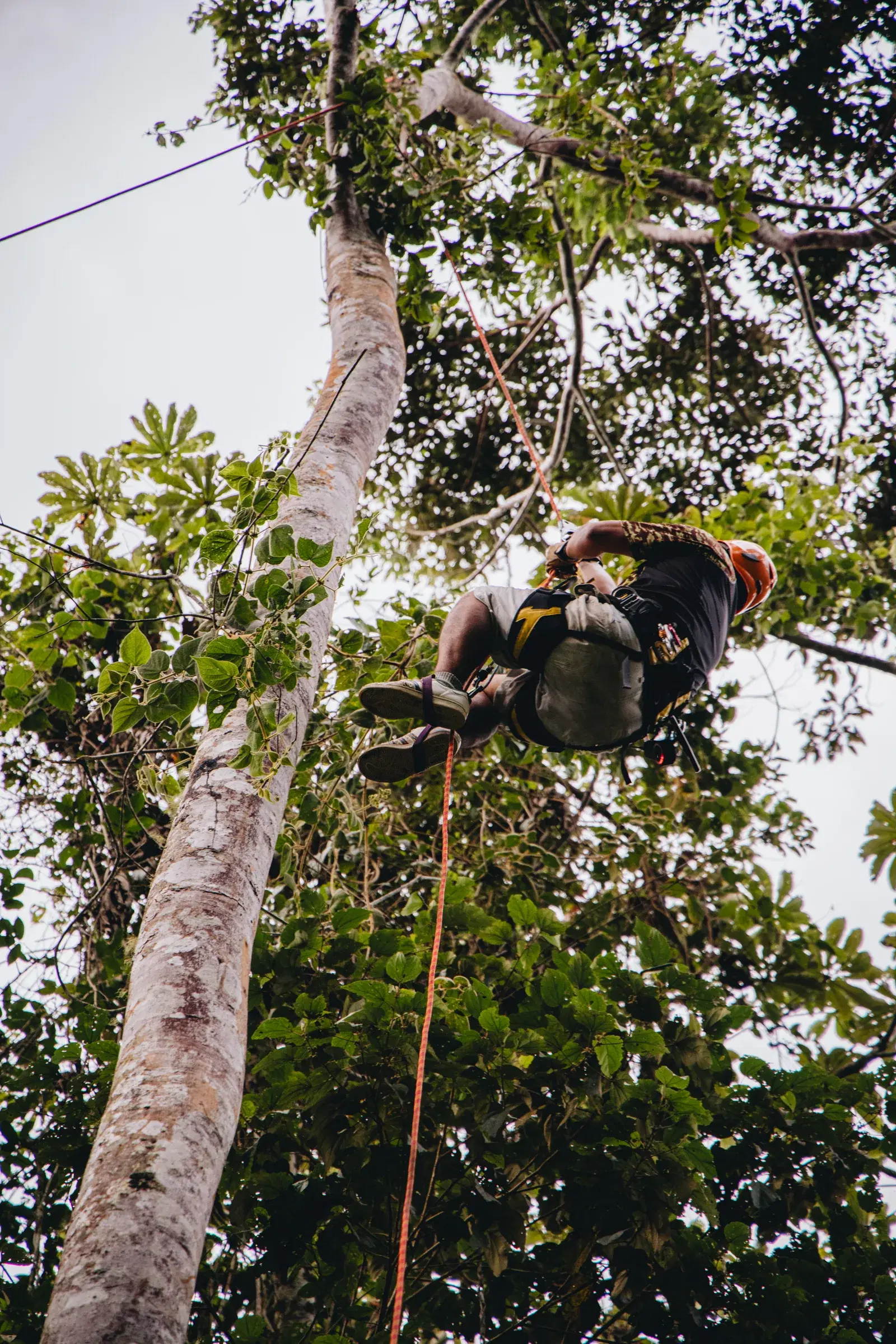
Reaching a listening site means locating bellbird habitat, carrying equipment through the rainforest, climbing to installation points, and finding a place the team can safely work. The landscape shapes every installation.
In July 2026, the team mounted stations, tested communication paths, and adjusted their placement in the Talamanca Mountains. Testing, refining, and redeploying were essential parts of the fieldwork, helping the team improve how the system performed in the forest.
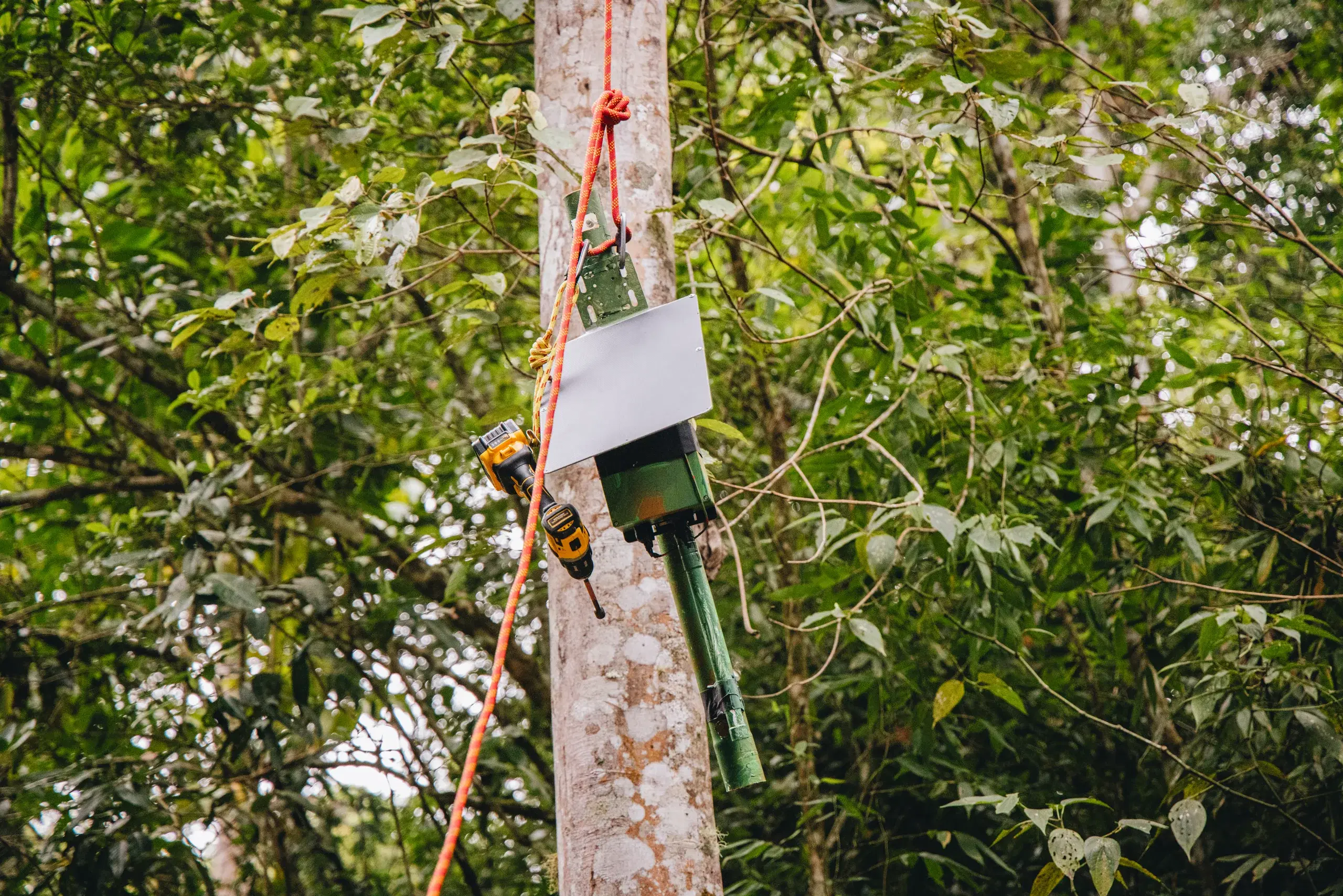
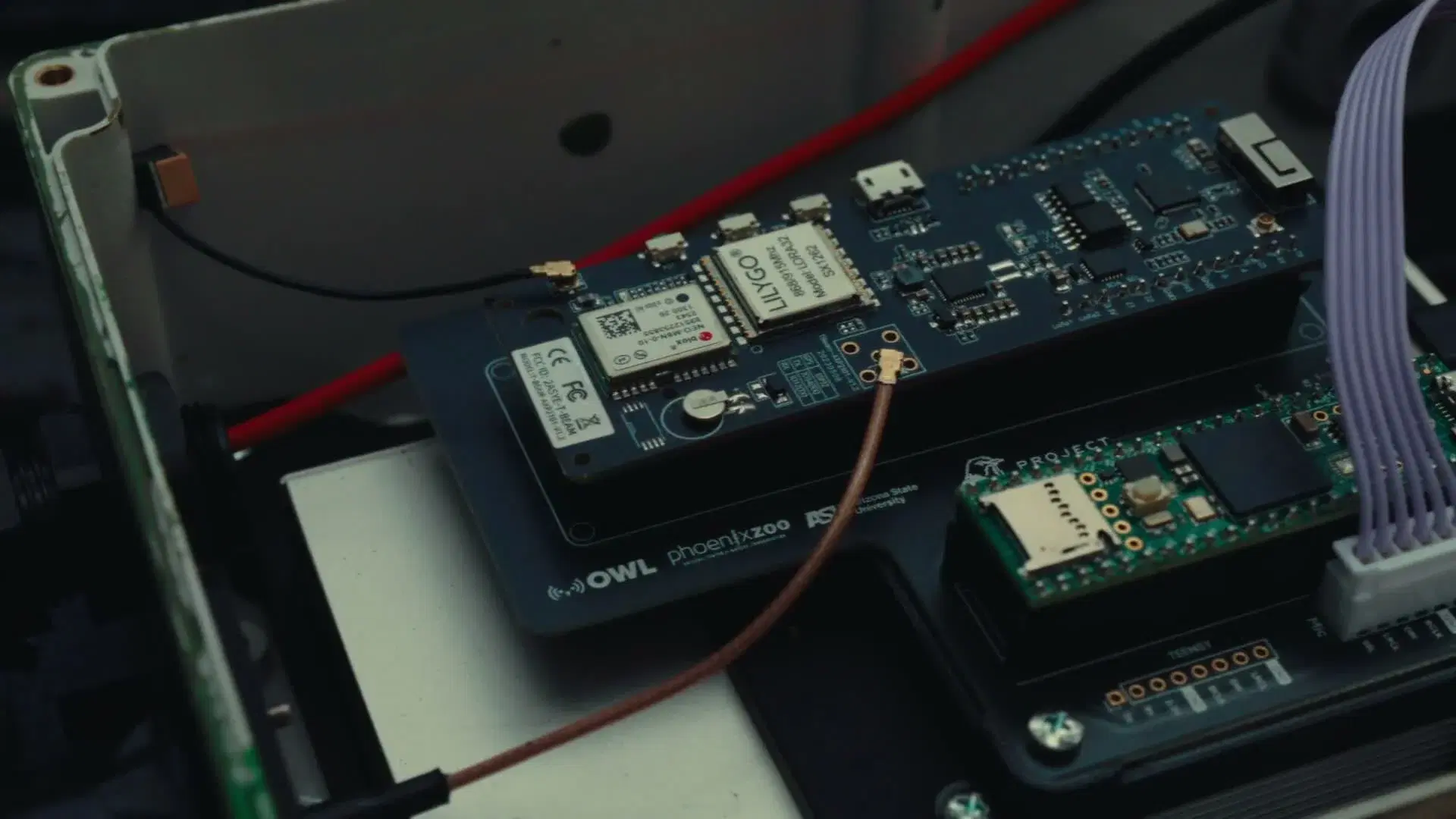
A microphone and local processor sit alongside a battery inside each unit, with a protective solar panel mounted on top. Sound is analyzed in real time at the station; small data packages containing the results travel onward instead of continuous recordings.
Project Bellbird grew from a collaboration between the Arizona Center for Nature Conservation/Phoenix Zoo and Arizona State University around a shared conservation question: how can we keep listening when researchers cannot always be there?
Finding the answer takes more than technology. ProCAT Costa Rica brings knowledge of the landscape, its communities, and the realities of fieldwork. Biologists and acoustic researchers shape what the network should listen for and how those observations are interpreted. OWL builds the field technology that makes longer-term listening possible.
Together, the partners are working toward data that reaches beyond a single field visit—helping researchers understand the bellbird’s presence over time.
 (opens in a new tab)
ProCAT Costa Rica brings scientific and local ecological knowledge, community connections, and field access to guide monitoring locations and support regional conservation priorities.
 (opens in a new tab)
Phoenix Zoo helps shape the conservation questions and the study of bellbird presence and seasonal arrival patterns, connecting observations with longer-term conservation research outcomes.
 (opens in a new tab)
Arizona State University contributes acoustic ecology and signal-analysis expertise, helping interpret possible bellbird calls amid rain, vegetation, distance, and other rainforest sounds.
 (opens in a new tab)
OWL develops the low-power listening hardware, embedded intelligence, mesh network, and cloud tools that connect field observations with researchers working beyond the deployment sites.
A call heard in the rainforest becomes a small record that can travel to a shared dashboard. Researchers bring those observations together to study bellbird presence over time.
Listening and identifying possible calls.
Small records, passed between devices.
Observations and network health together.
Biological interpretation, not just events.
Solar-powered nodes listen where researchers cannot stay. Digital signal processing (DSP) filters the sound for possible bellbird calls, then a lightweight AI model evaluates them. Each possible detection becomes a small record rather than a continuous audio stream.
By filtering sound before transmission, a node sends only features of selected records. This limits radio traffic and the energy spent on analysis, important when its battery depends on sunlight beneath the canopy.
Where Wi-Fi and cellular coverage cannot be assumed, a low-power LoRa mesh carries detection records and network status. Nearby nodes and repeaters pass small messages onward, without an internet connection at every listening site.
LoRa is the radio link; the mesh connects those links across the landscape, so a message can take several hops rather than needing one direct connection.
OWL’s cloud dashboard brings together detection events, call parameters (the measured characteristics of a possible call), and network telemetry. Researchers can review observations across listening nodes and over time, alongside the condition of the equipment collecting them.
Long-term and real-time data can help researchers compare seasonal arrival patterns and investigate changes in where bellbirds are heard. It can help them decide where and when to focus fieldwork and monitoring, building evidence to inform conservation action.
Behind each field observation is work on the ground: preparing equipment, reaching a site, finding the right position, and checking what happens once it is installed.
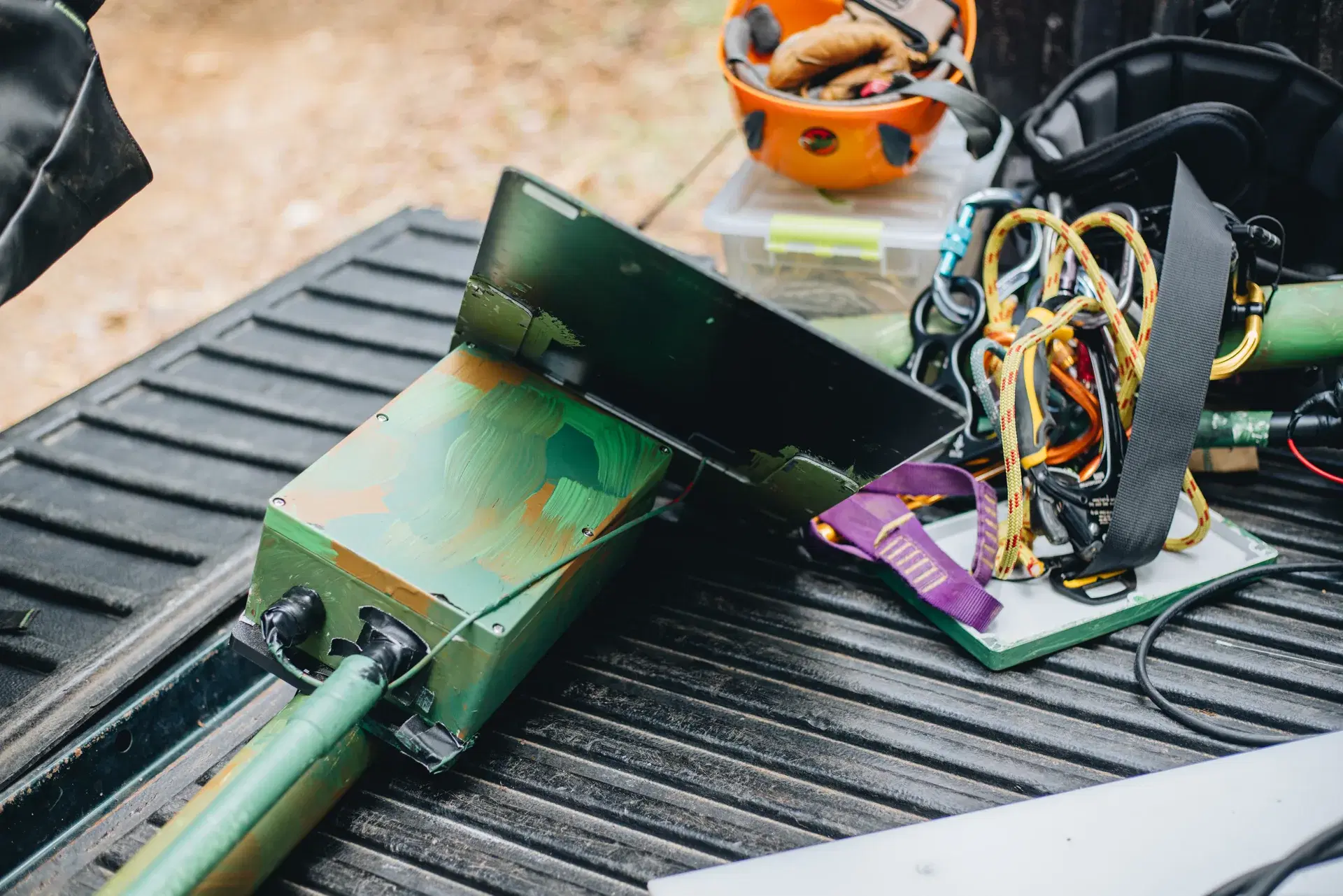
Each hand-built listening unit is assembled and checked before departure to make every field visit count.
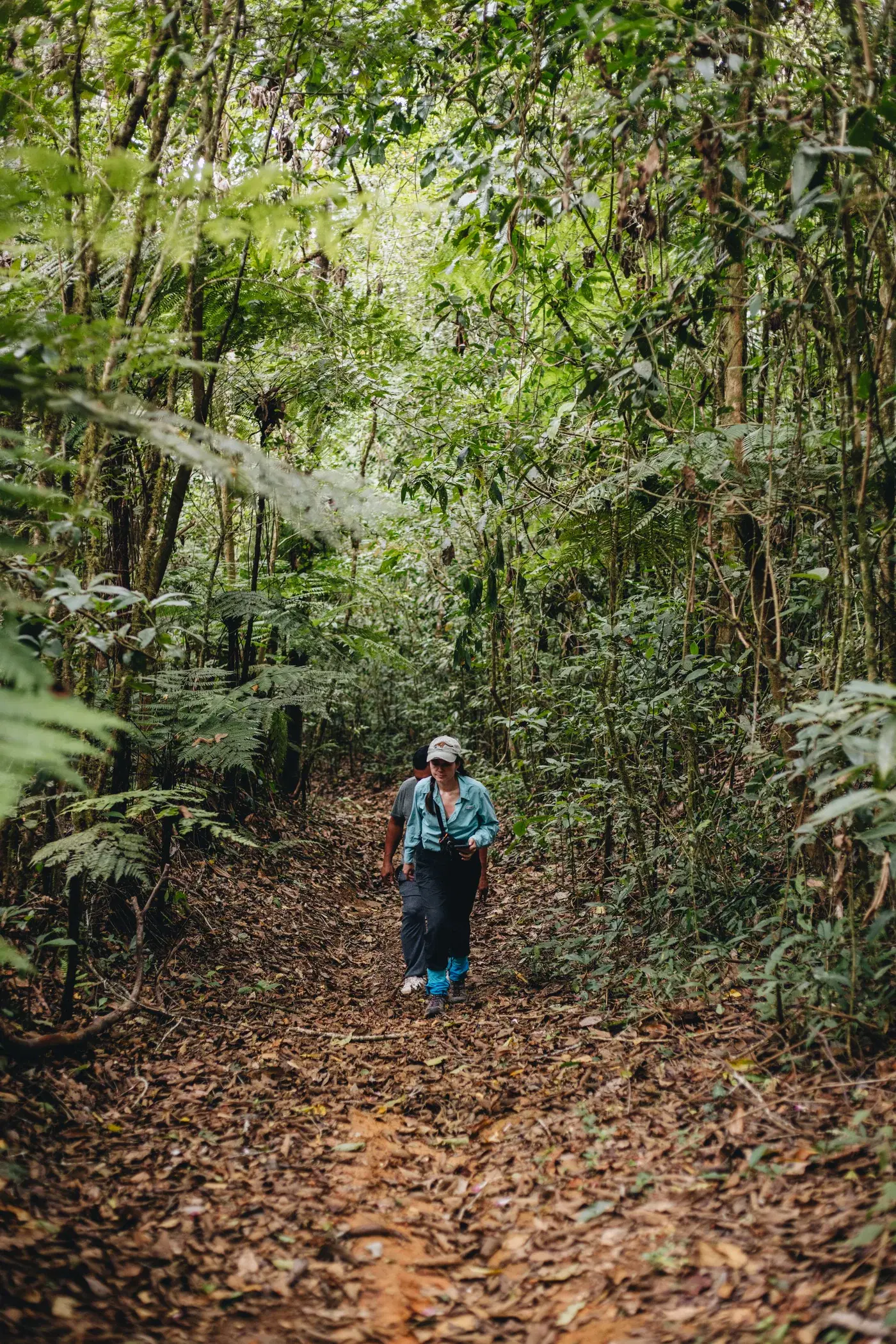
Transportable, robust equipment must reach the places where listening matters—often through dense forest and difficult terrain.
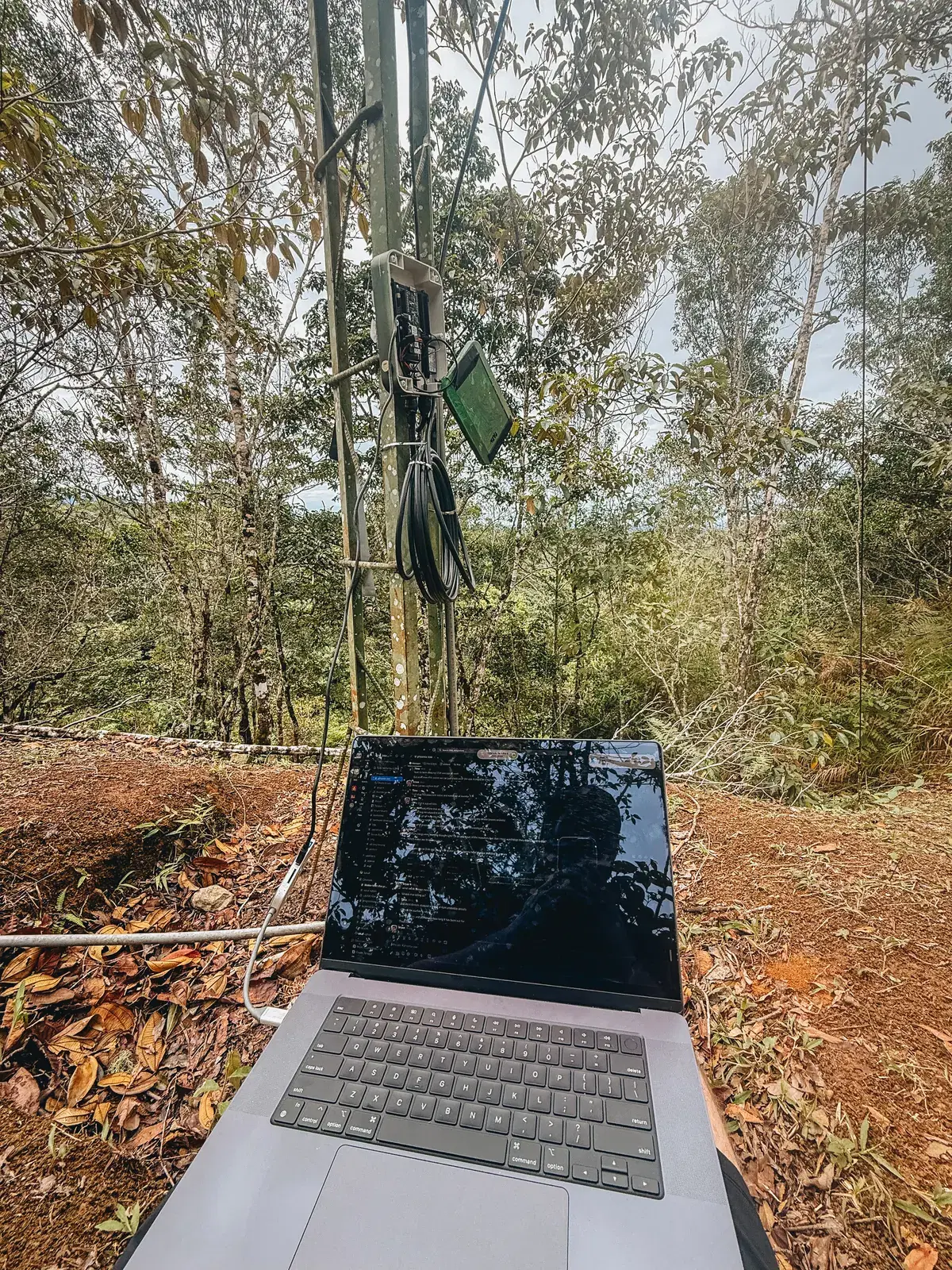
Placement balances where bellbird calls may be heard with safe access, available light, and a climbable tree.
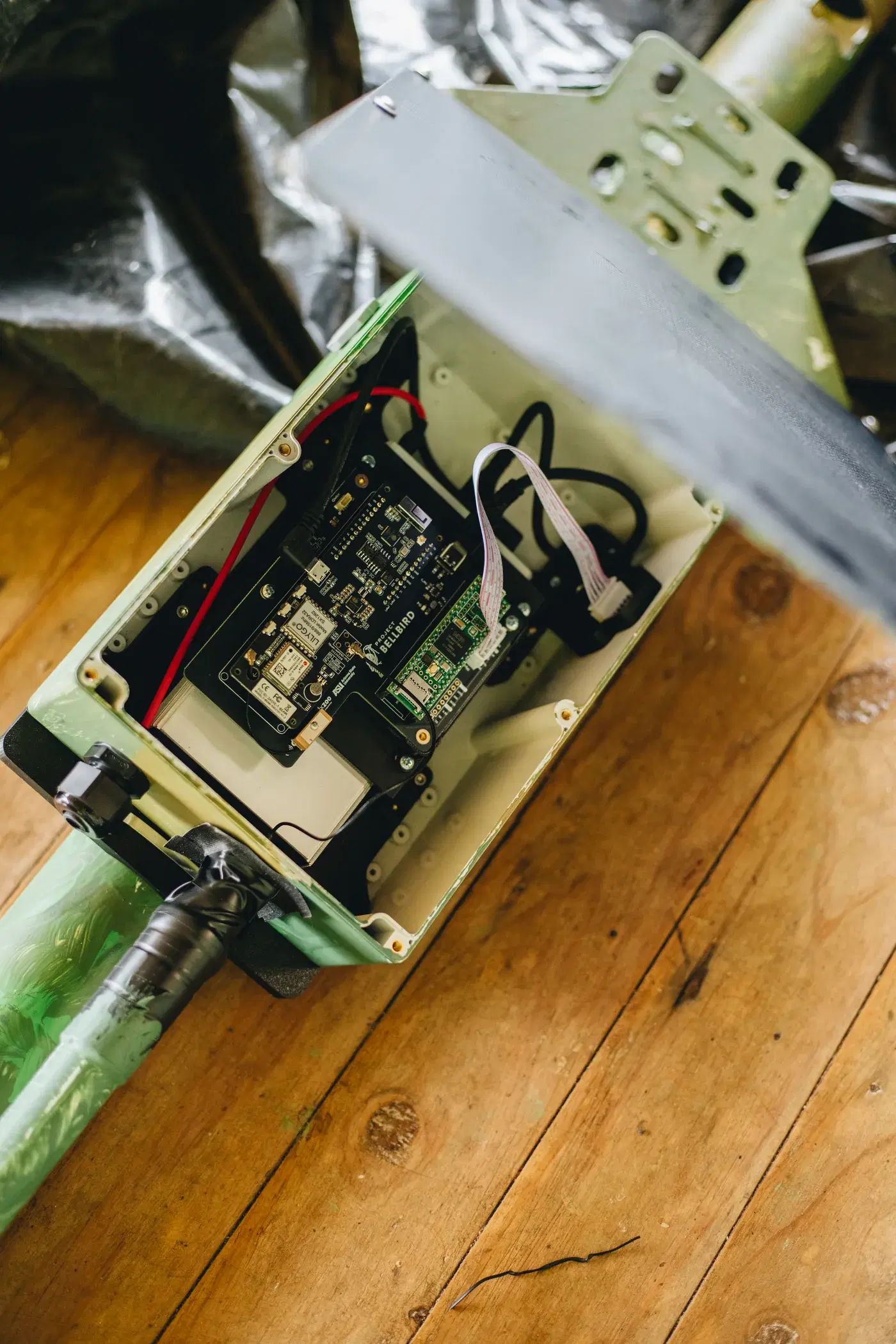
Once deployed, local analysis keeps what travels through the network small: detection records, not a continuous recording.
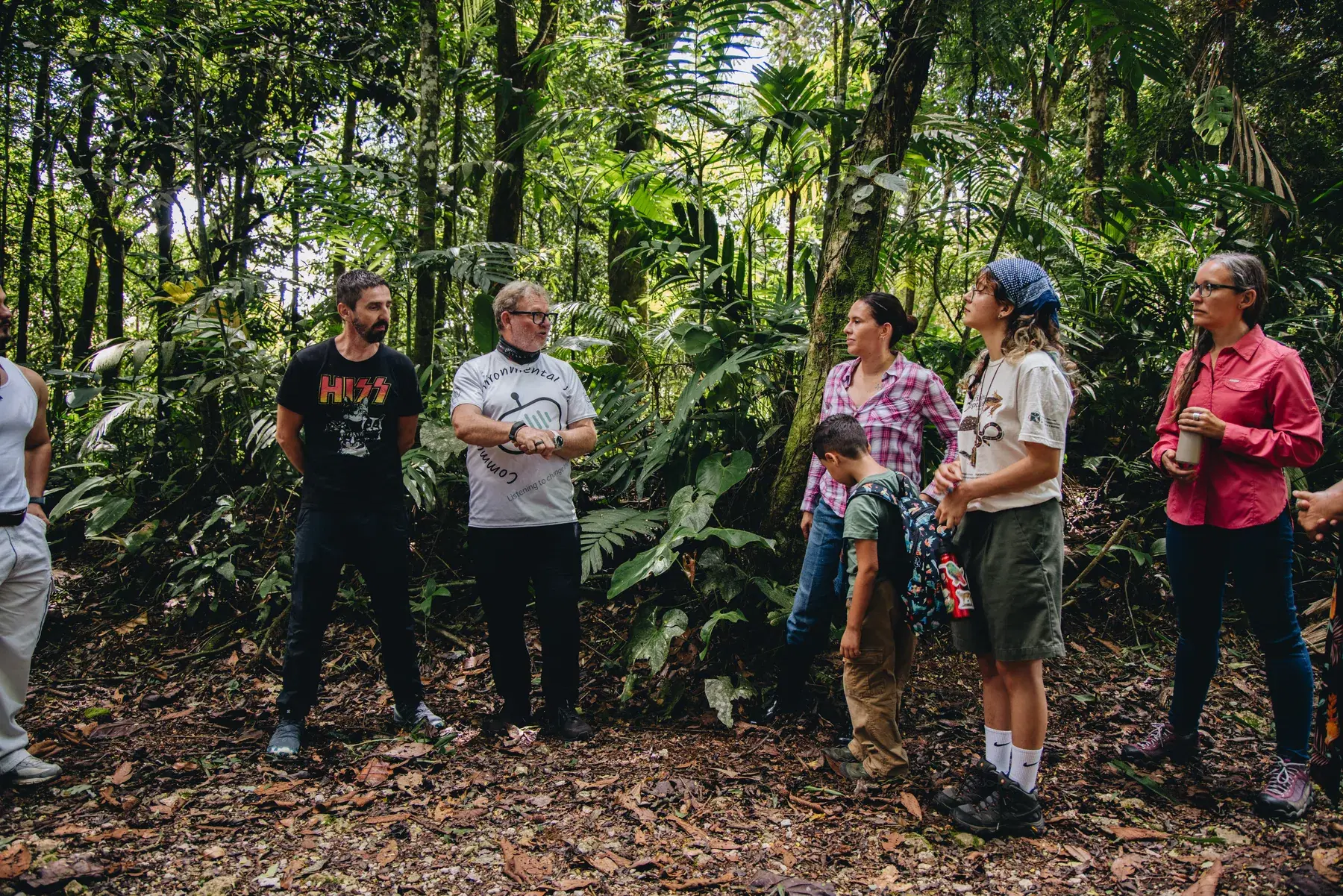
Project Bellbird is also about building relationships in the places where the work happens. During the project, environmental listening workshops brought community members and the team together to listen to the sounds of wildlife, weather, and everyday life.
Shared listening creates space to exchange perspectives and connect the research with the places people call home. We hope this can become an ongoing part of the project as it grows.
Explore Environmental Listening(opens in a new tab)The next phase of Project Bellbird will depend on people and organizations willing to contribute. The project team is grateful for generous support from the Arthur L. and Elaine V. Johnson Foundation for key aspects of this work. Scientific expertise, field access, technology, funding, or experience in another remote environment can all help the work move forward.
If you see a place for your organization—or yourself—in what comes next, we would like to hear from you.
Start a conversation